Industrial Decarbonization Is Not Only a Technology Challenge
Industrial decarbonization is often perceived as a technology challenge. Discussions frequently focus on the availability of low-carbon solutions such as electrification, renewable energy integration, alternative fuels, hydrogen, or carbon capture. While these technologies are essential components of the transition, their availability alone does not determine whether industrial emissions can be reduced at scale.
The experience from industrial assessments indicates that the challenge is more fundamental: identifying where decarbonization interventions can realistically take place and creating the conditions required for implementation. Industrial facilities operate as complex systems where energy consumption is closely connected with production processes, product quality, operational reliability, and economic competitiveness. As a result, a technically feasible solution does not always translate into an implementable project.
The advancement of industrial decarbonization therefore requires a shift in perspective. Instead of starting with the question of which technology should be adopted, industries need to first understand where emissions can be reduced effectively and sustainably within their operational context.
Identifying Where Decarbonization Can Actually Happen
One of the most consistent findings across industrial assessments is that not all emission sources have the same level of intervention complexity. Industrial facilities consist of multiple energy-consuming systems, each with different technical requirements, operational constraints, and replacement barriers.
Core production systems are often the most challenging areas to decarbonize. Equipment such as kilns, furnaces, and process reactors are directly integrated into production processes and are closely linked with product specifications and operational stability. Modifying these systems may require significant technological changes, higher capital investment, and longer implementation timelines.
In contrast, supporting systems such as boilers, utilities, and process heating equipment often provide more practical entry points for early-stage decarbonization. These systems are relatively more separable from core production processes and may allow interventions such as energy efficiency improvements, fuel switching, waste heat recovery, and equipment upgrades to be implemented with lower operational disruption.
This creates a natural prioritization logic for industrial decarbonization: the most attractive opportunities are not necessarily the largest emission sources, but those where emission reduction potential, technical feasibility, and operational practicality are aligned.
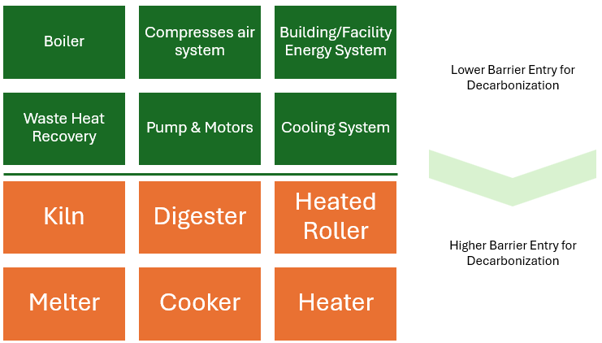 Picture 1. Intervention Approach for each Industrial Equipment (PETA, 2023)
Moving From Technology Push to Demand-Driven Decarbonization
Despite this prioritization logic, many industrial decarbonization strategies continue to follow a technology-driven approach. Solutions are often identified first, followed by attempts to determine how and where those technologies can be applied.
A more effective approach starts from the industrial demand itself. Understanding the facility’s energy profile, emission sources, production requirements, and operational constraints provides the foundation for selecting the most appropriate decarbonization pathway.
This does not reduce the importance of technology. Instead, it changes the role of technology from being the starting point to becoming an enabler within a broader decision-making framework. Technologies should be evaluated based on their ability to address specific industrial needs, rather than industries being expected to adapt to available solutions.
This shift is particularly important for energy-intensive industries, where reliability, cost competitiveness, and production continuity remain critical considerations. A successful decarbonization pathway must therefore balance environmental objectives with industrial realities.
Building the Ecosystem Required for Implementation
Identifying feasible intervention points is only the first step in the decarbonization journey. The transition from opportunity identification to actual implementation depends on the readiness of the broader ecosystem supporting industrial transformation.
Industrial decarbonization requires coordination among multiple stakeholders, each influencing different parts of the transition pathway. Industrial operators determine whether solutions can be integrated into existing processes. Technology providers influence the availability and suitability of solutions. Financial institutions determine whether projects can achieve investment readiness. Governments and regulators establish the policy, regulatory, and infrastructure conditions that enable deployment.
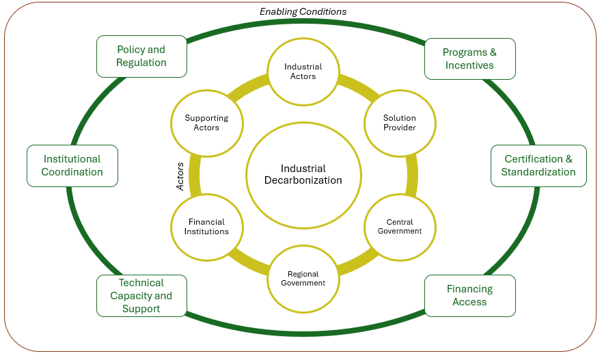 Picture 2. Industrial Decarbonization Ecosystem
The effectiveness of industrial decarbonization will therefore depend on the alignment between these stakeholders. Industries need sufficient understanding of their emission sources and transition priorities. Technology providers need to develop solutions that address real industrial requirements. Financial institutions need mechanisms to evaluate and manage technology and implementation risks. Policymakers need to ensure that regulatory frameworks, incentives, standards, and infrastructure support market adoption.
From Decarbonization Opportunities to Implementable Projects
Many industrial decarbonization initiatives have successfully identified emission reduction opportunities through energy assessments, emissions mapping, and technology screening. However, identifying opportunities does not automatically create projects.
To move from assessment toward implementation, decarbonization opportunities must be further developed through detailed technical evaluation, operational impact assessment, economic analysis, risk allocation, and stakeholder alignment. Without these elements, even technically viable solutions may remain at the conceptual stage.
The key challenge for industrial decarbonization is therefore not only discovering solutions but creating the pathway that allows those solutions to be implemented at scale.
Advancing Industrial Decarbonization Through System-Level Thinking
Industrial decarbonization will require more than the deployment of new technologies. The next phase of transition depends on improving how opportunities are identified, prioritized, and transformed into actionable projects.
A successful approach begins with understanding industrial systems, identifying realistic intervention points, and aligning technology solutions with operational, financial, and institutional realities. By moving beyond technology selection and focusing on implementation readiness, industries can accelerate the transition from decarbonization ambition toward measurable emissions reduction.