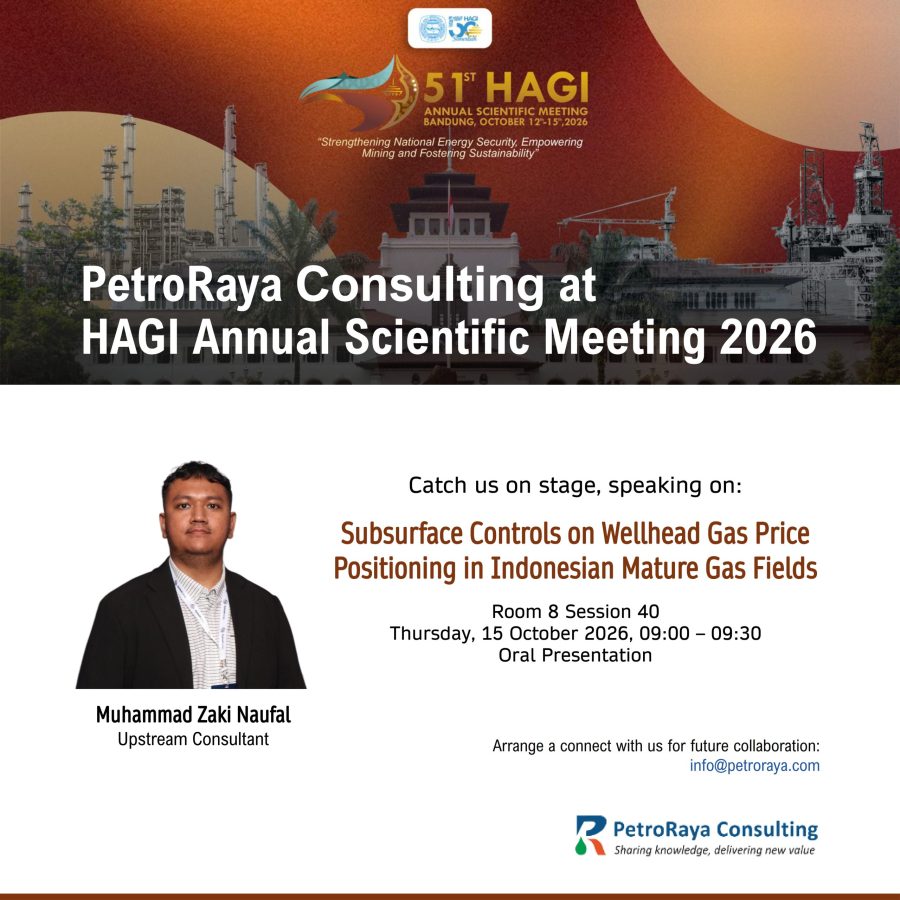
Catch us on HAGI Annual Scientific Meeting 2026
Comments Off on Catch us on HAGI Annual Scientific Meeting 2026
October 9, 2026
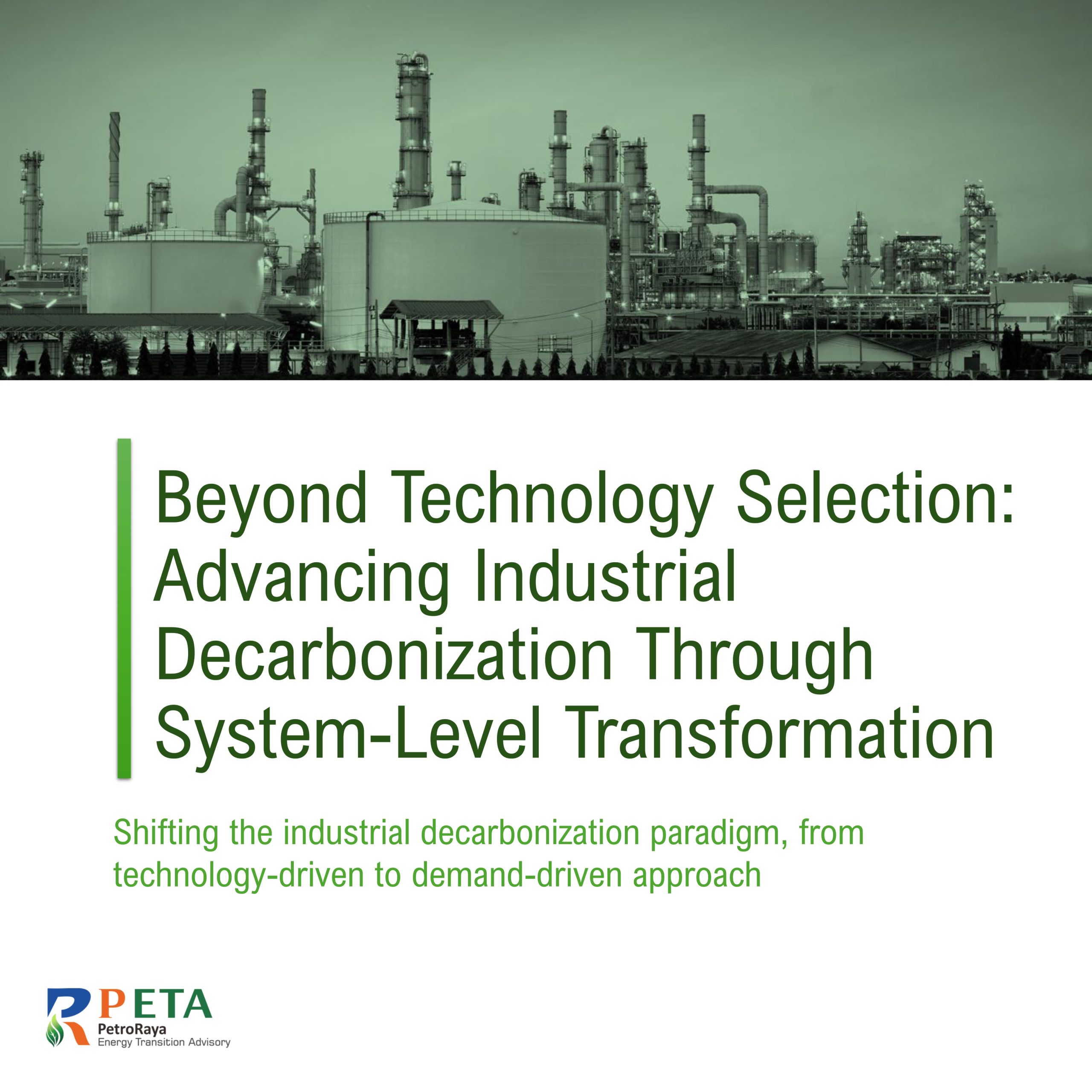
Industrial Decarbonization Is Not Only a Technology Challenge Industrial decarbonization is often perceived as a technology challenge. Discussions frequently focus on the availability of low-carbon solutions such as electrification, renewable…

Indonesia has several key foundations in place to support the development of a green hydrogen market. It has abundant and diverse renewable energy resources, an established base of hydrogen-consuming industries,…
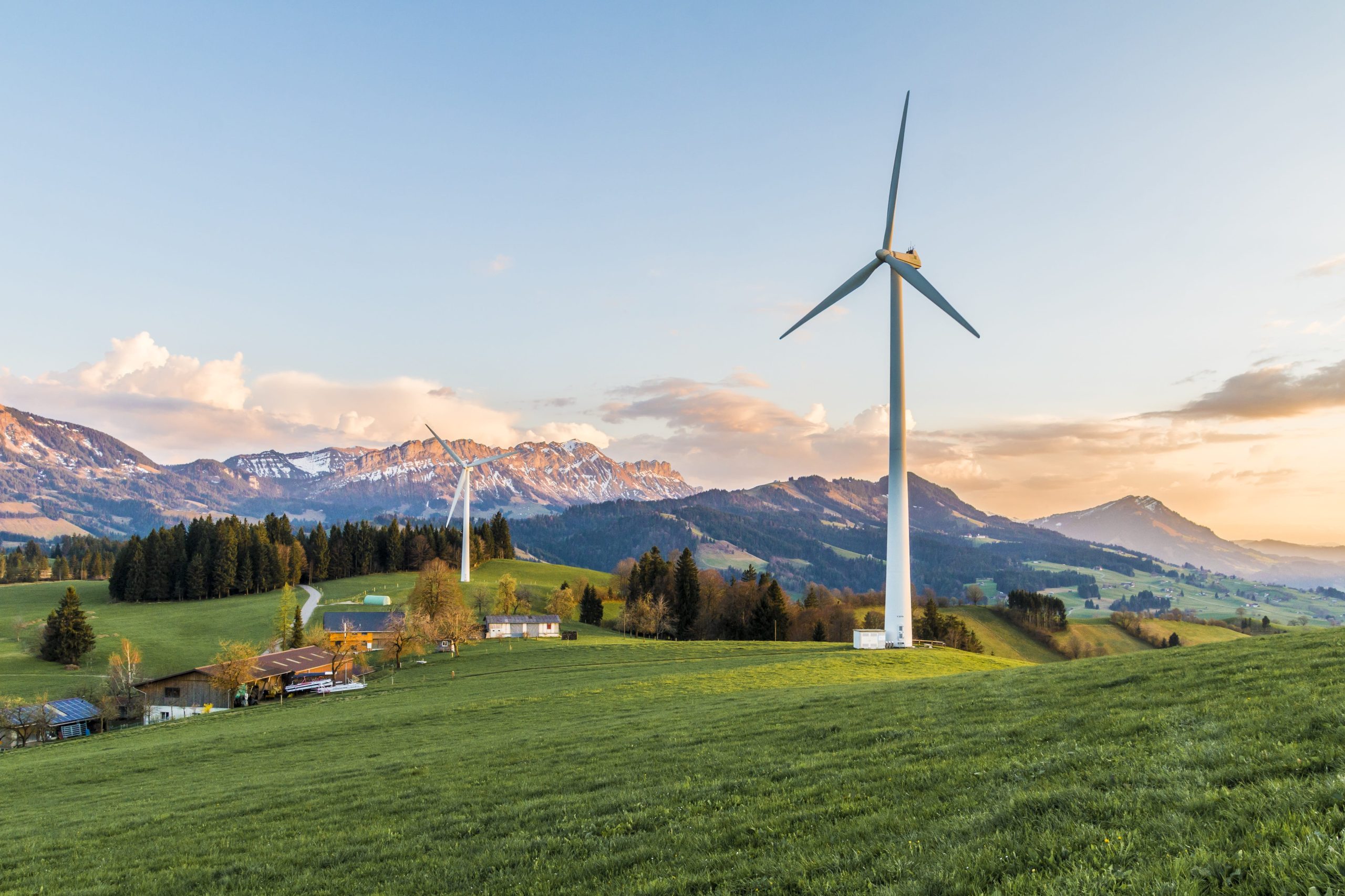
In a world where countries are racing to generate more renewable energy, solar PV is often seen as a fast and affordable way to produce clean electricity. It is relatively…

A biomass power plant does not run on theoretical potential. It runs on feedstock that can be collected, transported, priced, contracted, and supplied consistently over the project lifetime. This distinction…
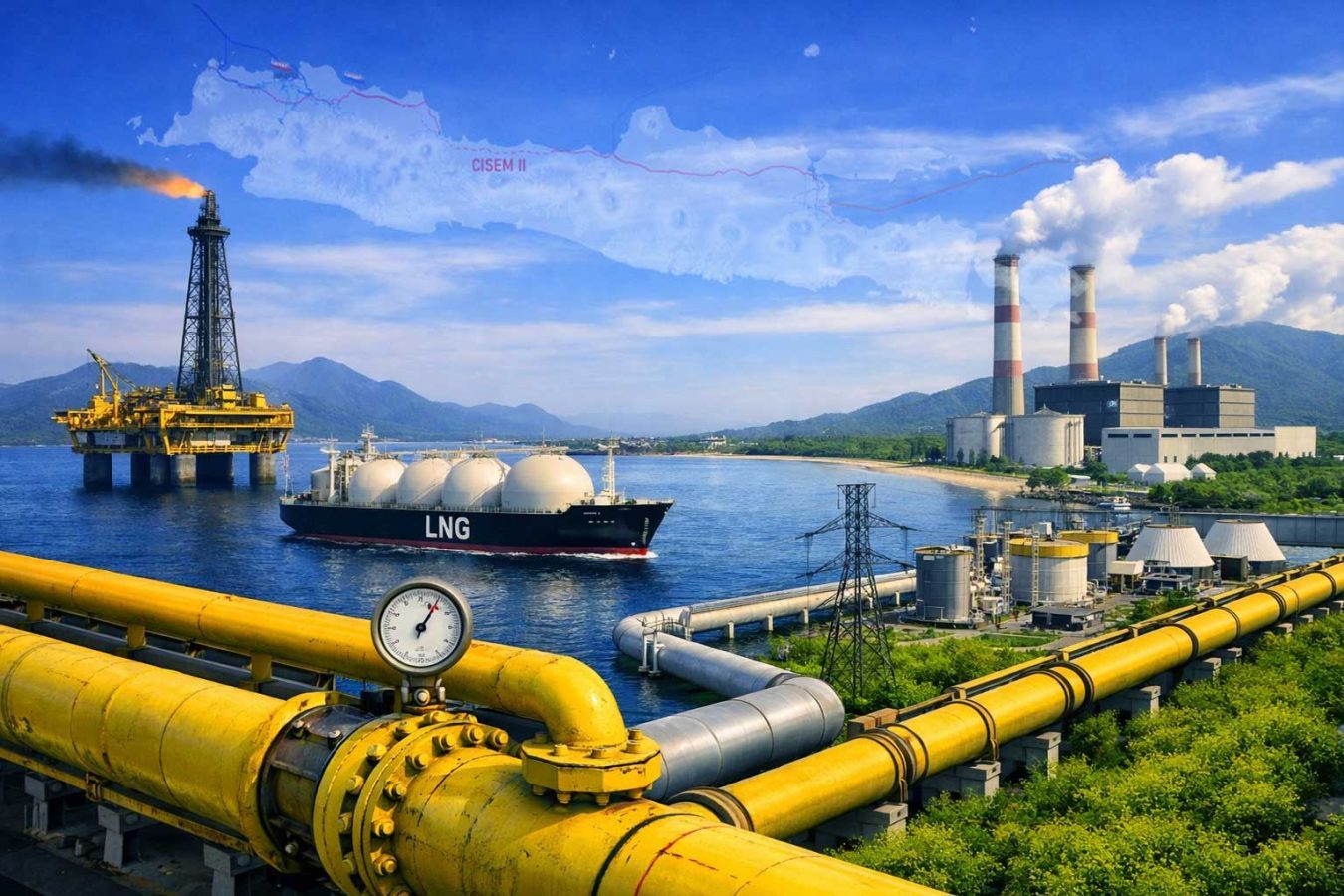
Java Island, especially West Java, is one of the main development centers with the highest energy consumption in Indonesia. High economic, industrial, and social activities require a large and reliable…

The planned Sutri pipeline could become an important milestone in the evolution of the Sumatra gas market. By connecting North Sumatra and Central Sumatra, the project has the potential to…

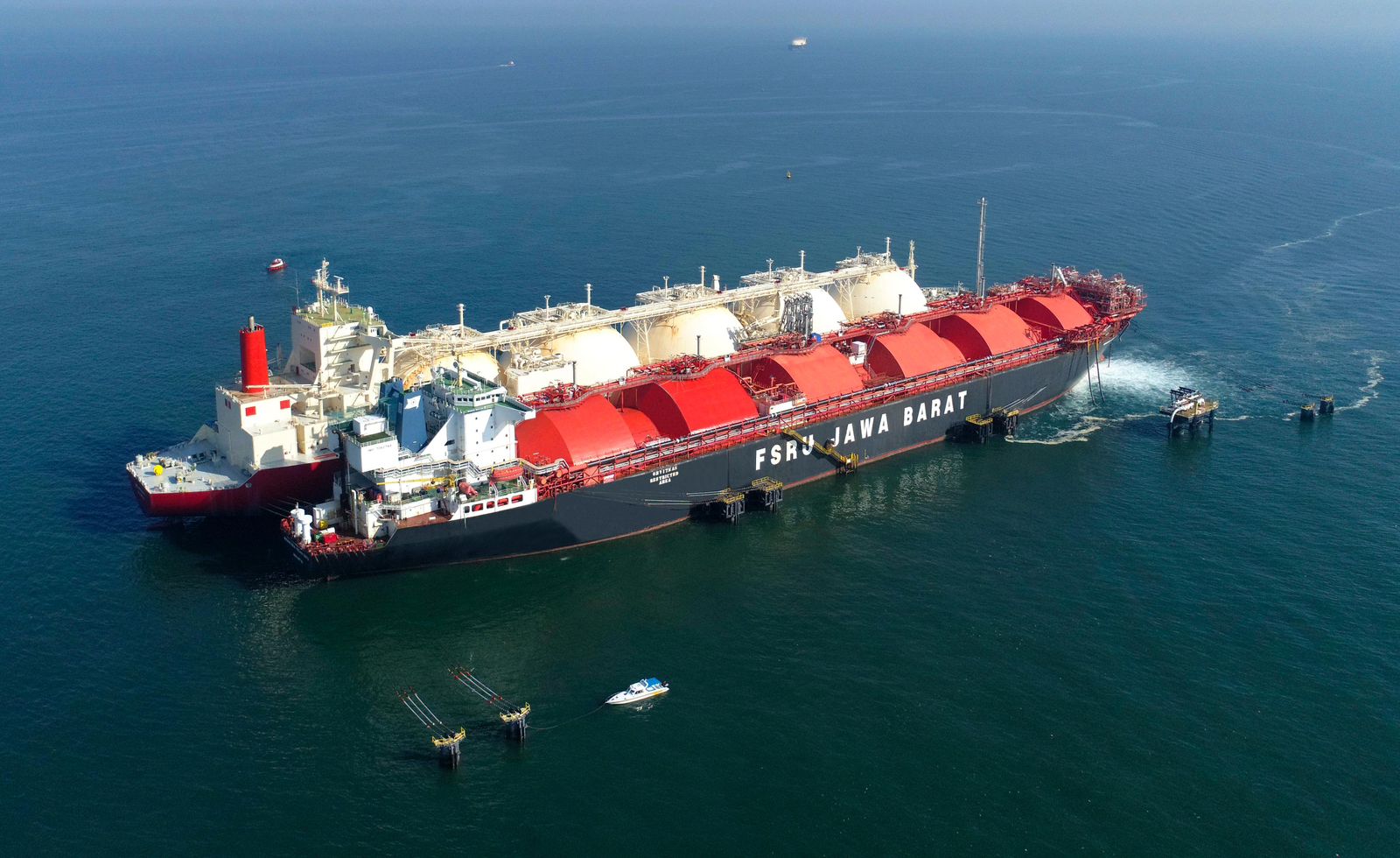
For years, Indonesia’s gas policy has been shaped by a dominant paradigm: pipeline gas is cheaper, LNG is more expensive, and LNG therefore plays a supplementary role. That logic was…
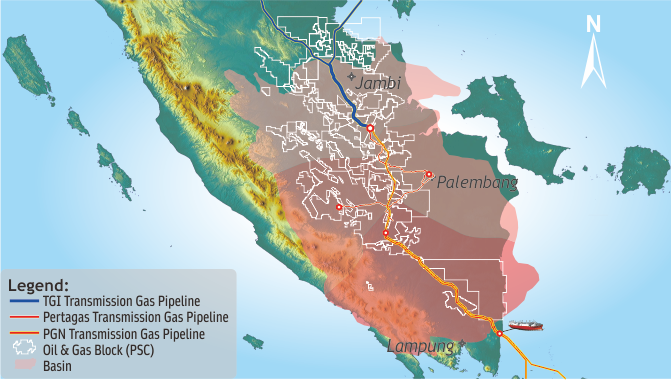
South Sumatra is one of Indonesia’s most productive hydrocarbon basins, with decades of success from conventional reservoirs such as Talang Akar, Air Benakat, and Gumai. Beneath these mature plays lies…

Indonesia is in the middle of a real data-center buildout. Cloud regions are expanding, AI inference is moving nearer to users, fintech and e-commerce keep scaling. While the demand is…
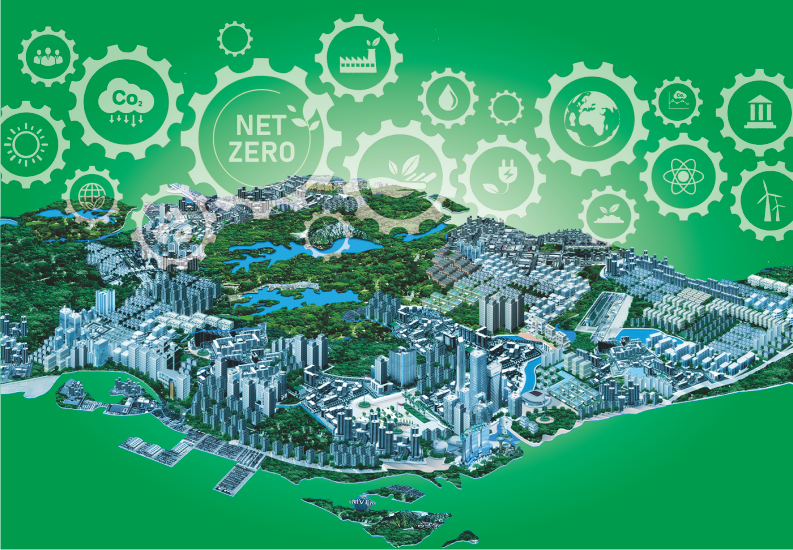
Over half of the countries around world have committed to achieve net zero emissions (Net Zero Tracker, 2025). While resource-rich nations such as Indonesia target 2060, Singapore, a small nation with…

Earlier this year, the Government of Indonesia and PLN released the much-anticipated RUPTL 2025–2034, proudly branded as “Beyond the Greenest RUPTL”. The plan marks a decisive step toward achieving Net…

Indonesia, as one of the world’s largest palm oil producers, faces challenges in managing the large volumes of Palm Oil Mill Effluent or POME. POME is a hot and acidic…
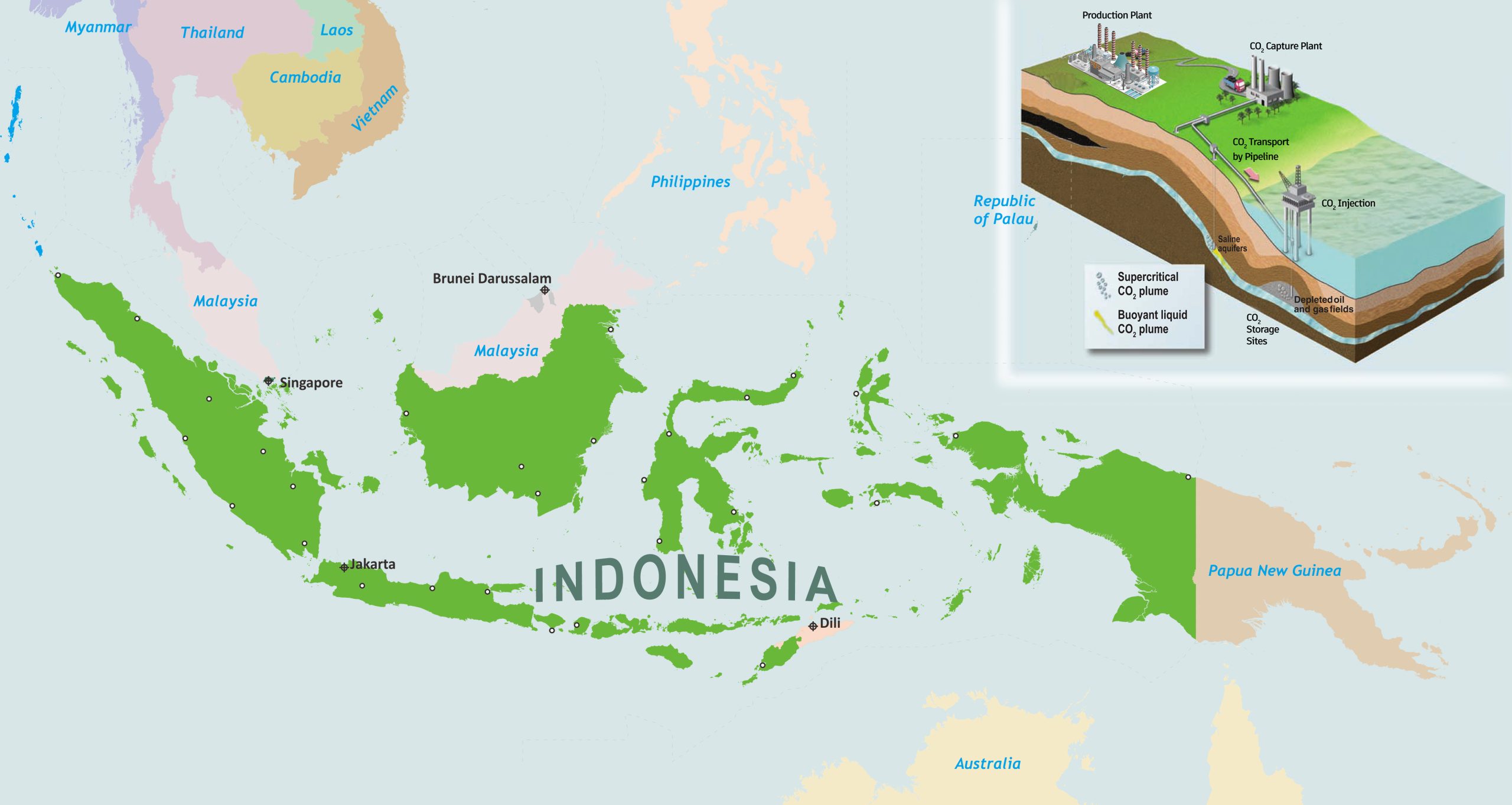
As the world races toward net zero, carbon capture and storage (CCS)—once a niche topic buried in technical journals—is now front and center in decarbonization strategies. For Indonesia, CCS and…

South Sumatra has been recognized as one of Indonesia's primary energy sources, particularly in oil and natural gas production. The region significantly contributes to fulfilling both domestic energy needs and…

The recent cancellation of Sembcorp Industries' gas deal with Indonesian partners due to regulatory hurdles has raised questions about the future of natural gas supply in the region, particularly concerning…

Climate change is a big challenge, and we need smart solutions to cut carbon emissions. That's where Carbon Capture and Storage (CCS) and Carbon Capture, Utilization, and Storage (CCUS) come…

The discussion of how to decarbonize the oil and gas industry has often disregarded methane. Nonetheless, its impact is more potent than carbon dioxide, with a global warming potential over…

Natural gas is a cleaner energy source than traditional fuels like coal and oil. In Indonesia, natural gas is mainly used by power plants and industries. Most natural gas is…