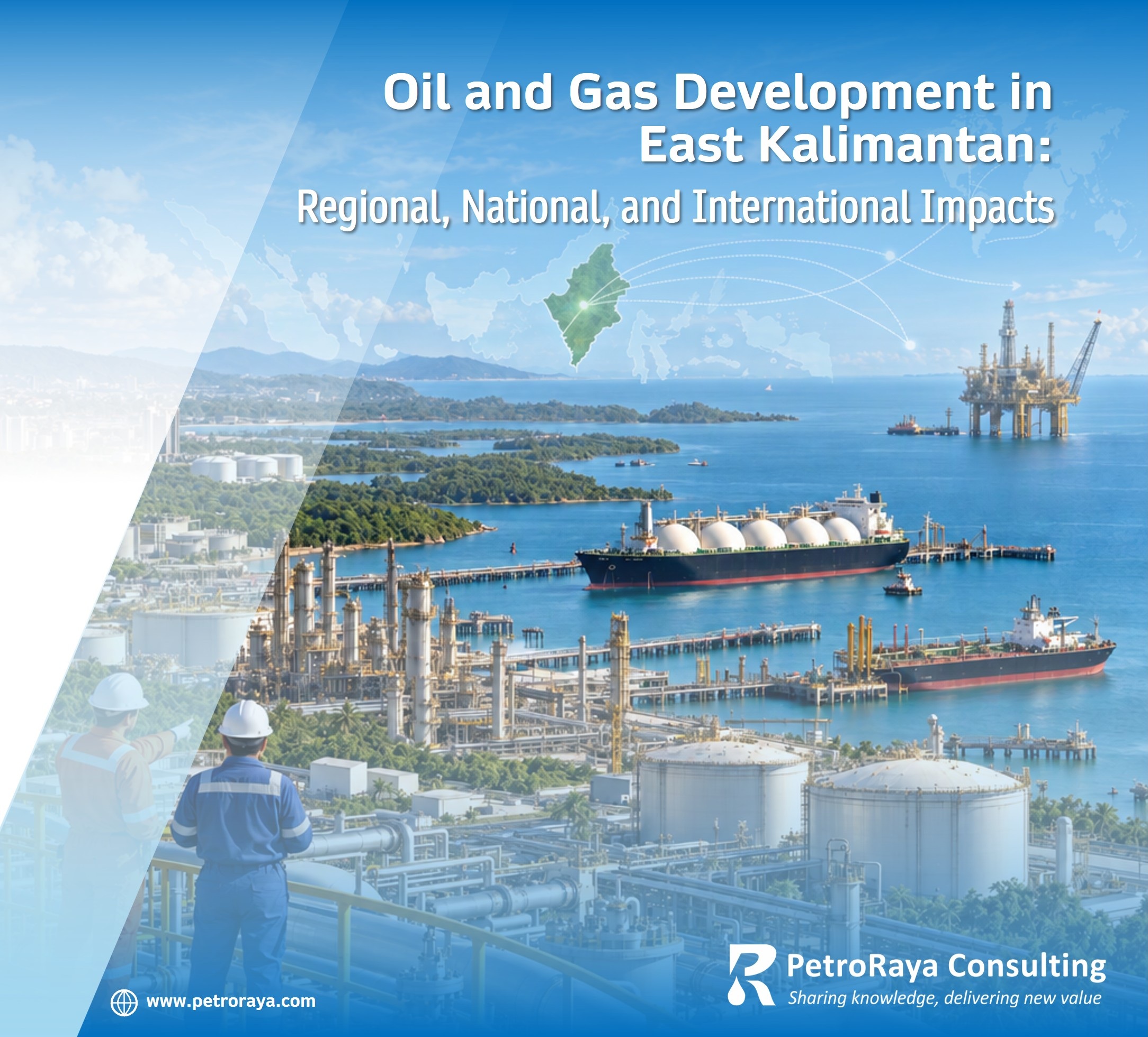
East Kalimantan’s oil and gas ecosystem links mature onshore and shallow-water fields with emerging deepwater resources, processing facilities, pipelines, and downstream markets. This infrastructure supplies Bontang LNG alongside domestic fertilizer, chemical, and electricity producers. However, declining output from mature fields has constrained supply and left LNG capacity underutilized. The region’s opportunity therefore lies in connecting new resources to established facilities, strengthening its role as both an industrial energy base and an international gas supplier.
Recent developments reflect two complementary approaches: optimizing existing production and building infrastructure for future growth. In October 2026, sidetracking increased Jangkrik North East 6 production from approximately five times from current, while Maha was expected to contribute up to approximately 230 MMSCFD. Meanwhile, the Kutei North Hub FPSO contract, awarded in mid-2026 and valued at approximately US$2 billion for Saipem’s share, demonstrates the investment required to connect deepwater resources with domestic consumers and Bontang LNG.
The next supply expansion is expected from Eni’s North Hub and South Hub developments, complemented by Pertamina’s investments in mature fields. North Hub comprises Geng North and Gehem, while South Hub expansion includes Gendalo and Gandang, linked to Jangkrik facilities. These developments target startup in 2028 and a combined production plateau of approximately 2,000 MMSCFD in 2029. Pertamina’s Sisi Nubi development provides nearer-term support: its sixth platform commenced operations in August 2026, with NB-501 initially producing around 6 MMSCFD. Together, these initiatives could offset natural decline and strengthen supply resilience.
For Kalimantan, this investment can reinforce industrial continuity, support electricity provision, and expand opportunities for local businesses. For an example, a proposed development scheme illustrates regional electricity supply could be supported by targeting 19 BCF of stranded gas for a state-owned power plant under a ten-year supply commitment. Construction and operations also create demand for logistics, maintenance, fabrication, and skilled workers. Yet lasting prosperity depends on translating resource revenues into public infrastructure, education, and business development, allowing the wider economy to benefit beyond project boundaries.
For Indonesia, additional supply can strengthen energy security while supporting industries that depend on gas as fuel and feedstock. Better utilization of existing processing and LNG facilities can preserve infrastructure value and sustain domestic technical capabilities. Regarding the Minister of Energy and Mineral Resources, Maha alone was estimated to create more than 700 jobs for Indonesians, although this does not establish permanent employment. National gains ultimately depend on reliable delivery, commercially viable pricing, and transparent allocation between domestic requirements and export opportunities.
Globally, development could sustain Indonesia’s LNG contribution and diversify supply options for importing economies. International engineering, equipment, and construction providers would also participate through project supply chains. These benefits remain prospective rather than quantified global welfare gains and climate advantages would depend on fuel displacement and emissions across the gas value chain.
However, higher oil and gas production alone will not guarantee East Kalimantan’s economic success. The benefits will depend on how new supplies are allocated, how efficiently existing LNG facilities are utilized, and how much value is retained locally through competitive pricing, timely infrastructure investment, and stronger local participation. Regionally, effective revenue governance is equally important to ensure that resource wealth translates into better public services and infrastructure. Nationally, reliance on hydrocarbon revenues exposes public finances to commodity price volatility and resource depletion, reinforcing the need for prudent fiscal management and economic diversification. Internationally, methane emissions across the supply chain complicate the climate case for expanding gas production and require effective monitoring and control.
Ultimately, East Kalimantan’s success should be measured by how effectively new production creates lasting value. Reliable supply, responsible operations, local participation, and effective reinvestment can connect regional prosperity with stronger national energy security and a sustained contribution to international markets.